




Dining Chairs: Stylish, Comfortable & Modern Dining Chairs for Every UK Home
Choosing the right dining chairs can completely transform how a dining room feels. The table might be the centrepiece, but it's the chairs that decide whether family dinners, weekend brunches and dinner parties actually feel comfortable and inviting. Whether you're furnishing a brand-new home, updating a tired dining space, or simply need extra seats for guests, the right chairs make every meal more enjoyable.
Most people spend far longer choosing a dining table than they do choosing the chairs that go with it and that's usually a mistake. You sit in a dining chair far more often than you consciously look at a tabletop, so comfort, proportion and material all deserve just as much thought.
Think about a typical week in your home. Breakfast before school or work, an evening meal together, homework spread across the table, maybe a laptop propped open for an hour of remote work. Dining chairs quietly support all of it, which is exactly why getting the choice right matters more than it might first appear.
In this guide, we'll walk through everything you need to know before buying dining chairs from sizing and materials to colour, style and how to match chairs with your existing table. We'll also cover common buying mistakes, how to care for different materials, and how to plan seating for different household sizes. By the end, you'll know exactly what to look for and where to find dining chairs that suit your home and your budget.
How to Choose the Right Dining Chairs
Picking dining chairs isn't just about looks. The best choice balances comfort, durability, proportion and personal style. Before browsing, it helps to think about how the space is actually used day to day is it mostly quick family meals, long dinner parties, or a home office desk in disguise? That answer shapes almost every decision that follows.
It also helps to think a few years ahead. A young family might need chairs that survive spilt juice and sticky fingers, while a couple who entertains often might prioritise a more elegant, upholstered look. There's no single "correct" chair only the right chair for how your household actually lives.
Consider the Size of Your Dining Table
The size and shape of your dining table is the starting point for almost every seating decision. A chair that looks perfect in a showroom can feel completely wrong once it's tucked under your actual table at home. Always measure your space before you fall in love with a particular design.
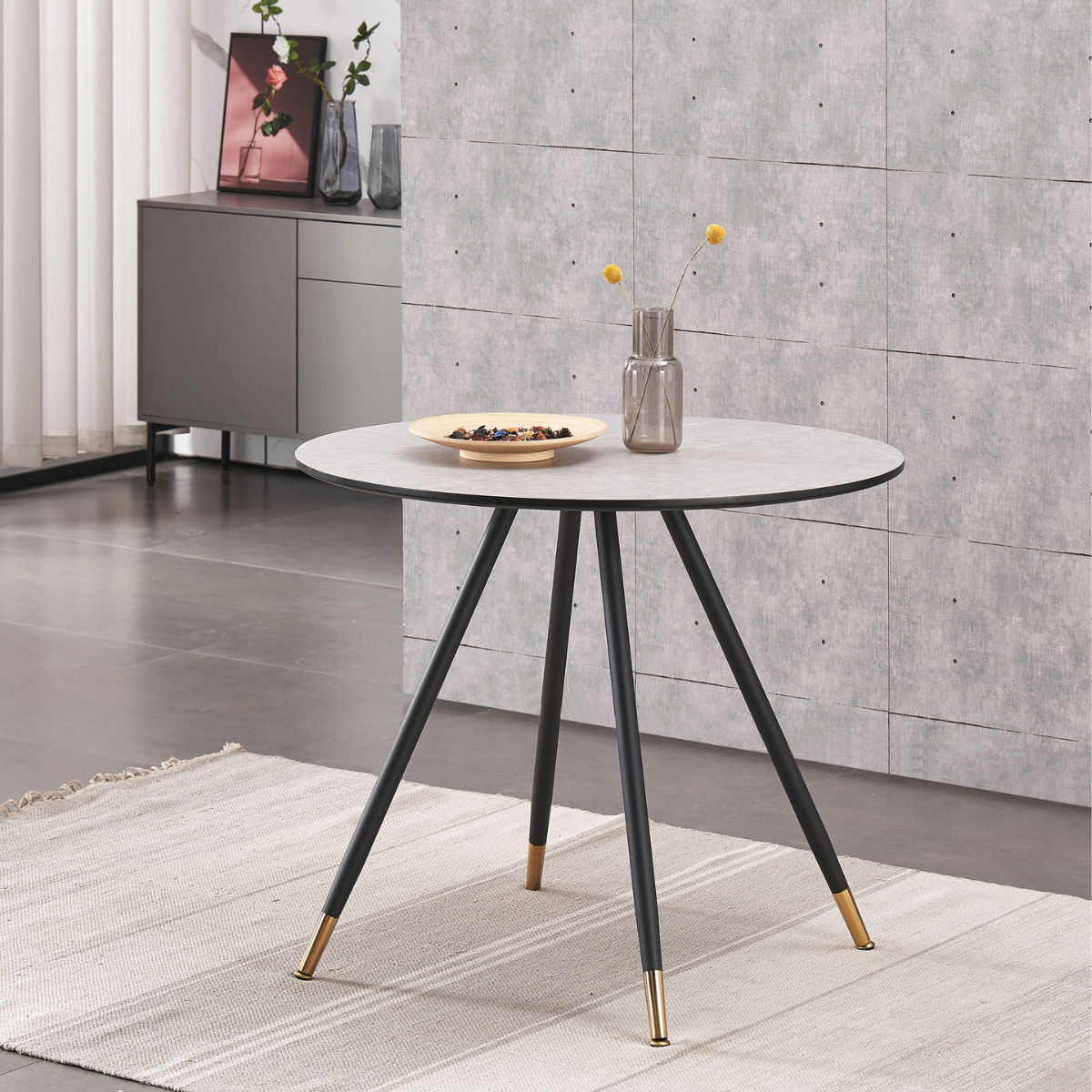
4 seater dining table
A 4 seater dining table suits smaller kitchens, apartments, and compact dining nooks. Because the space is limited, chair width and armrest size matter more than usual. Slim-framed chairs without bulky arms tend to work best, allowing enough room to pull chairs out and walk around the table comfortably. In tighter kitchens, chairs that tuck fully underneath the table when not in use can make a noticeable difference to how open the room feels.
6 seater dining table
A 6 seater dining table is the most common choice for UK family homes. It offers a good balance between everyday practicality and the flexibility to host guests. For this size, a mix of two carver chairs (with arms) at each end and four standard chairs along the sides is a popular, comfortable layout. This combination also adds a subtle visual hierarchy to the table, which many people find more interesting than six identical chairs.
8 seater dining table
An 8 seater dining table is ideal for larger households or anyone who regularly entertains. With more chairs around the table, spacing becomes especially important — each person needs enough elbow room to eat comfortably without bumping into their neighbour. Larger tables also give you more freedom to mix chair styles without the room feeling chaotic, since there's more visual space between each piece.
Dining room table seating for 8
When planning dining room table seating for 8, allow roughly 60–65cm of table width per person. This spacing keeps the table feeling sociable rather than cramped, even when every seat is filled. If you regularly host large family gatherings, it's worth measuring this out with tape on the floor before committing to a table and chair set.
Dining table seating for 8
Getting dining table seating for 8 right also depends on the room itself. Measure the distance from the table edge to the nearest wall or furniture — at least 90cm is recommended so chairs can be pulled out and people can walk behind seated guests without difficulty. In narrower rooms, benches along one side can be a practical alternative to individual chairs.
How Many Dining Chairs Do You Need?
This sounds like a simple question, but it's worth thinking through properly before you buy, since chairs are often more expensive to add later once a set has been discontinued.
- Dining chairs set – Buying a matching set is the easiest way to create a coordinated, polished look with minimal effort, and it usually works out more cost-effective than buying chairs individually.
- Dining chairs set of 4 – A classic choice for smaller households, a dining chairs set of 4 works well with compact and medium-sized tables, and is a common starting point for first homes and apartments.
- Matching dining chairs – If consistency matters to you, matching dining chairs create a clean, cohesive appearance throughout the dining space, particularly in open-plan rooms where the dining area is clearly visible from the kitchen or living room.
- Dining chairs for larger dining tables – For bigger households, dining chairs for larger dining tables may combine standard chairs with a bench or a pair of carver chairs for variety and extra seating flexibility, which is also a practical way to fit an extra guest or two when needed.
A good rule of thumb: buy for your table size first, then add one or two extra chairs if you frequently host guests. Spare chairs can be stored elsewhere and brought out as needed. If you'd like to compare options side by side, it's worth taking a look at this range of dining chairs before deciding on a final set.
Explore Different Types of Dining Chairs
Dining chairs come in a huge range of styles, and understanding the differences helps you narrow down what will actually work in your home. Below is a closer look at the most popular categories in UK homes today.
Modern Dining Chairs
Modern dining chairs feature sleek, contemporary designs that complement modern dining rooms and open-plan interiors. Clean lines, minimal detailing and neutral tones make them easy to style alongside glass, metal or matte-finish tables. They tend to suit homes where the overall aesthetic favours simplicity over ornamentation.
Contemporary Dining Chairs
Contemporary dining chairs explore stylish silhouettes, neutral colours and versatile designs suited to modern UK homes. Unlike strictly "modern" pieces, contemporary designs often blend in subtle curves or softer detailing, making them a flexible middle ground between traditional and cutting-edge styles. This makes them one of the safest choices if you're unsure which direction to take your dining room in.
Upholstered Dining Chairs
Comfortable upholstered dining chairs are ideal for everyday meals, entertaining and longer dinner gatherings. The added padding supports the lower back, which is especially useful if your household tends to linger at the table after eating. Many upholstered designs also include a slightly higher backrest, which adds an extra layer of comfort during longer meals.
Fabric Dining Chairs
Choose soft fabric dining chairs for a warm, comfortable and inviting dining space. Fabric options come in an enormous range of colours and textures, making them one of the easiest ways to add personality to a room. They also tend to feel warmer underfoot and against bare skin than harder materials, which many households appreciate during colder months.
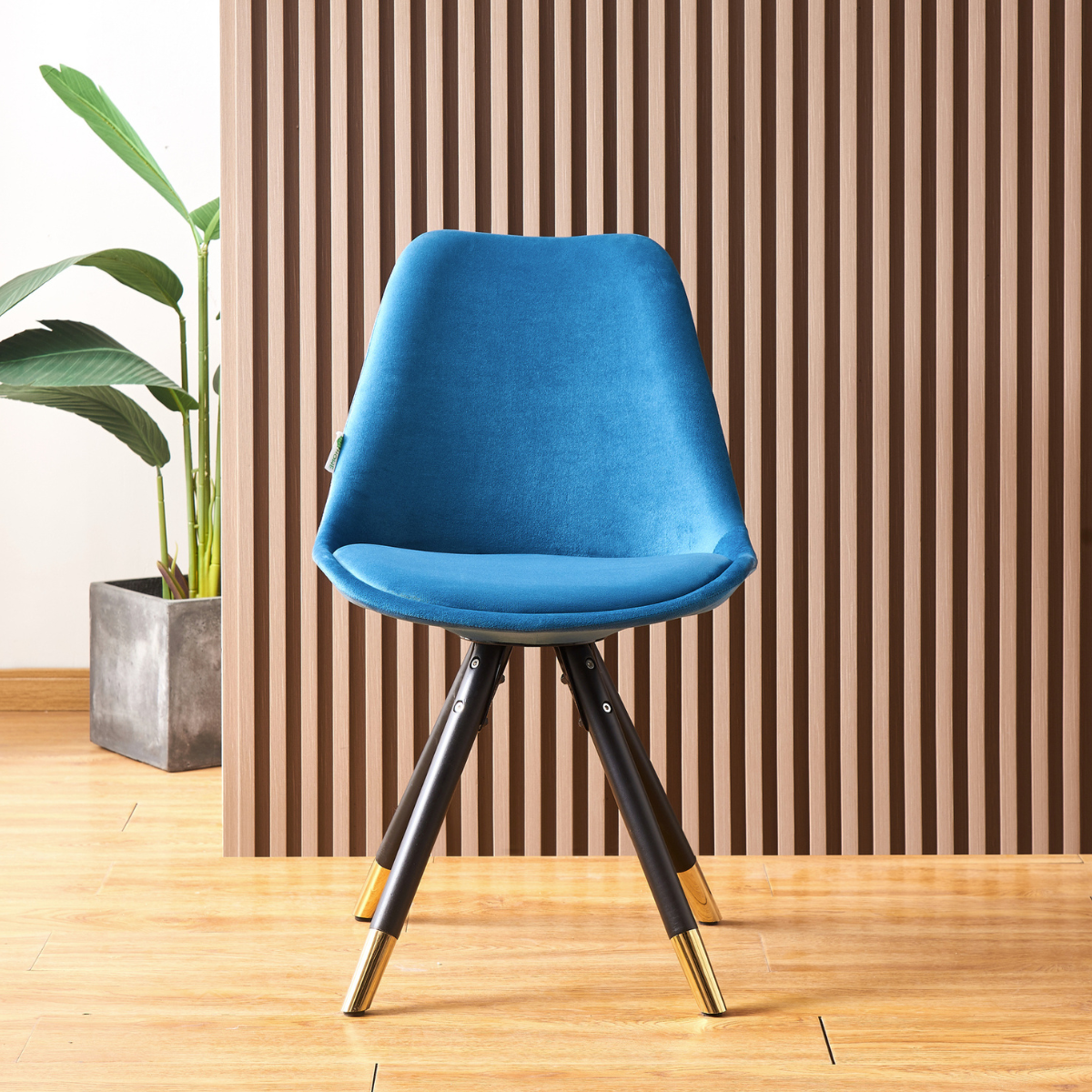
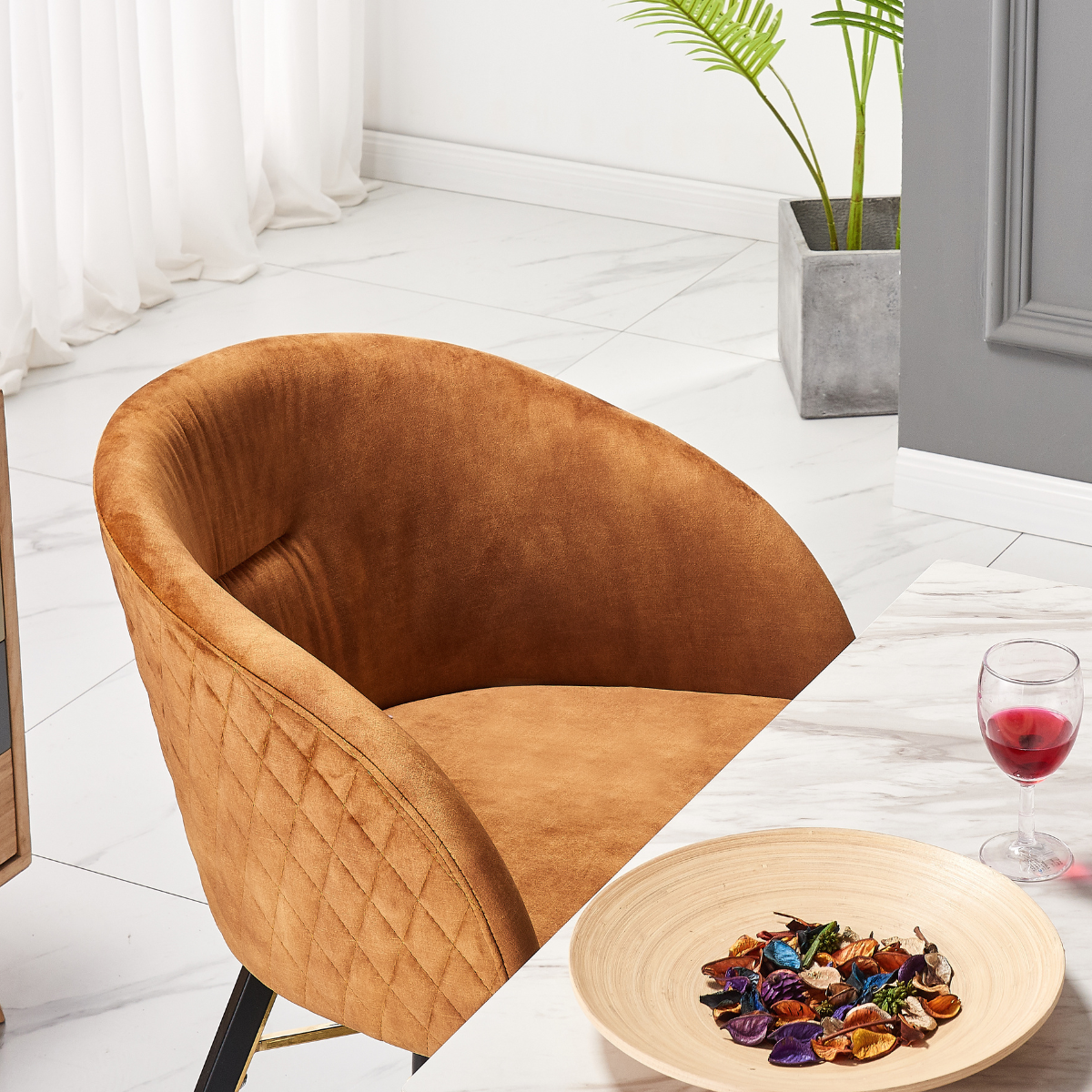
Velvet Dining Chairs
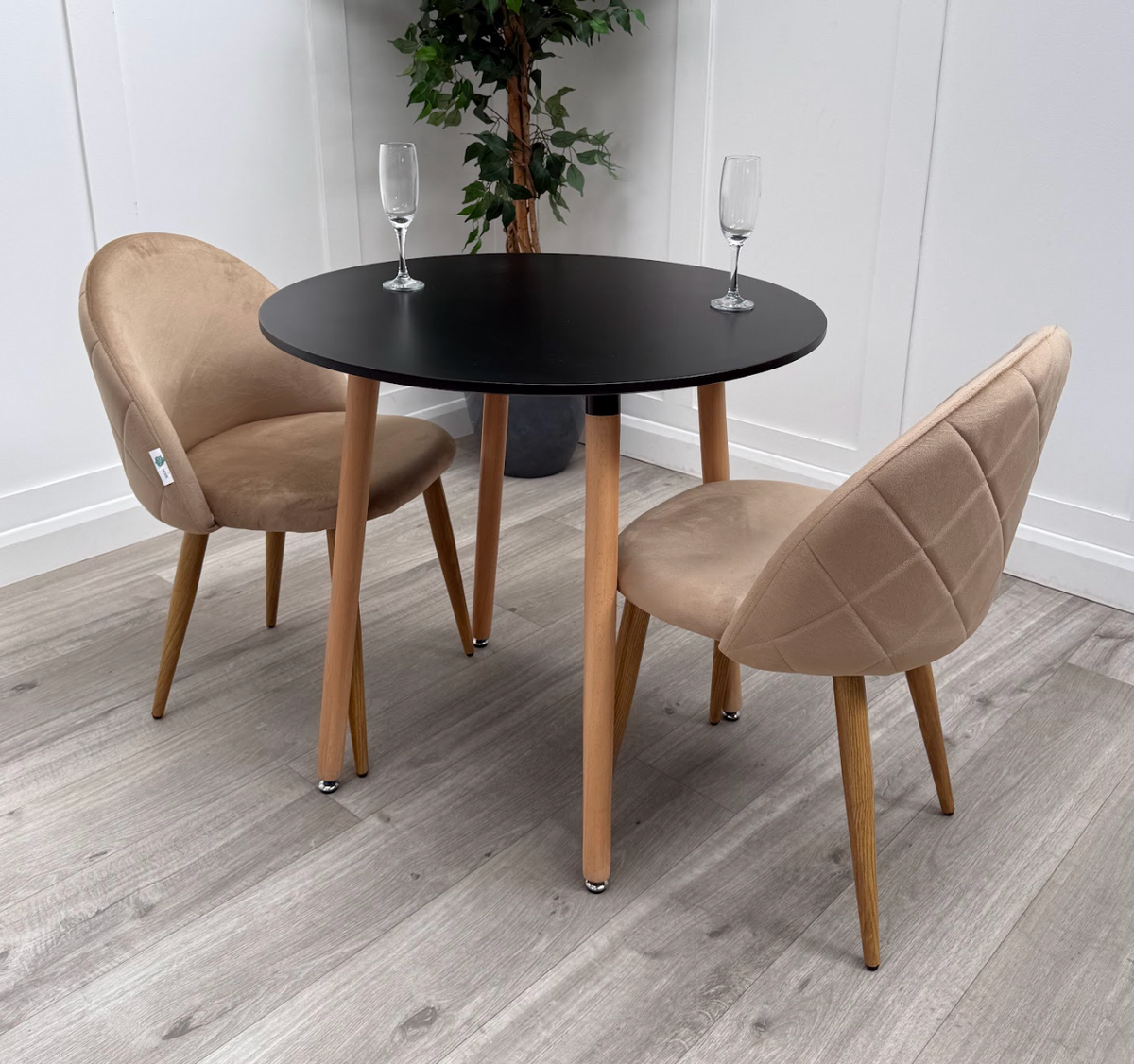
Velvet dining chairs add texture, softness and a luxurious feel to modern and classic interiors. They work particularly well as statement pieces even two or four velvet chairs around an otherwise simple table can lift the whole room. Jewel tones such as emerald, navy and blush have become especially popular choices for velvet dining chairs in recent years.
Leather Dining Chairs
Leather dining chairs offer a sophisticated appearance and are practical for stylish dining spaces. Leather is naturally resistant to spills and easy to wipe down, which makes it a popular choice for busy households. With proper care, leather also tends to develop a pleasant patina over time rather than simply looking worn.
Faux Leather Dining Chairs
Faux leather dining chairs provide the look of leather while offering an easy-to-maintain seating option. They're generally more affordable than genuine leather and just as simple to clean, making them a practical choice for family homes with young children or pets.
Wooden Dining Chairs
Wooden dining chairs bring natural warmth and timeless appeal to the dining room. They tend to be extremely durable and, depending on the finish, can suit almost any interior style, from farmhouse to minimalist Scandinavian.
Oak Dining Chairs
Oak dining chairs work particularly well with traditional, rustic and contemporary dining furniture. Oak is prized for its strength and natural grain, which means each chair has its own subtle character, and a well-made oak chair can realistically last for decades with minimal upkeep.
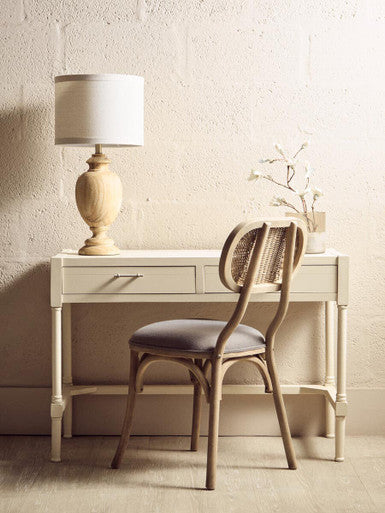
Rattan Dining Chairs
Rattan dining chairs add a relaxed, natural texture and work beautifully with light and neutral interiors. They're a popular choice for conservatories, garden rooms and Scandinavian-inspired dining spaces, and their woven texture adds visual interest without overwhelming a simple colour palette.
| Chair Type | Best For | Maintenance Level | Typical Feel |
|---|---|---|---|
| Fabric | Family dining, everyday use | Moderate (spot clean) | Warm and cosy |
| Velvet | Statement dining rooms | Moderate | Luxurious |
| Leather | Busy households, entertaining | Easy (wipe clean) | Sophisticated |
| Faux Leather | Budget-conscious buyers | Easy (wipe clean) | Practical and modern |
| Wood/Oak | Traditional or rustic spaces | Low | Timeless and sturdy |
| Rattan | Light, natural interiors | Low to moderate | Relaxed and airy |
Find Dining Chairs by Colour
Colour has a bigger impact on a dining room than people often expect. It affects not just style, but how spacious, warm or formal the room feels, so it's worth thinking about colour early in the buying process rather than as an afterthought.
Black Dining Chairs
Black dining chairs create a bold, sophisticated look and pair easily with a wide range of dining tables. They also tend to hide everyday marks well, which is a practical bonus for busy households, and they work particularly well as a grounding element in rooms with lighter walls and flooring.
Grey Dining Chairs
Grey dining chairs offer a versatile neutral option for modern and contemporary dining rooms. Grey works particularly well as a bridge colour, tying together a room with mixed wood tones or metal accents, and it's flexible enough to work with almost any accent colour you introduce later through cushions, artwork or table settings.
White Dining Chairs
White dining chairs help create a bright, clean and spacious feel. They're especially effective in smaller dining rooms or open-plan spaces where you want to avoid a heavy, closed-in look, though they may require slightly more frequent cleaning depending on the material.
Choose Dining Chairs by Interior Style
Beyond colour and material, matching chairs to your overall interior style helps everything feel intentional rather than mismatched. Here's how the most popular UK interior styles typically translate into chair choices.
Rustic Dining Chairs
Rustic dining chairs are ideal for homes that feature natural materials, warm tones and relaxed styling. Think rough-sawn wood textures, earthy colours and simple, honest construction that feels more handmade than mass-produced.
Farmhouse Dining Chairs
Farmhouse dining chairs create a welcoming, homely atmosphere and pair naturally with wooden dining tables. Ladder-back and cross-back designs are especially popular within this style, often finished in soft whites, natural wood tones or muted sage greens.
Industrial Dining Chairs
Industrial dining chairs combine practical design with materials and finishes inspired by modern industrial interiors, such as black metal frames paired with wood or leather seats. They suit exposed brick, concrete floors and open-plan loft-style spaces particularly well.
Traditional Dining Chairs
Traditional dining chairs bring timeless detailing and classic character to formal and family dining rooms. Carved details, classic silhouettes and richer wood tones are common features, and these chairs often suit homes with period features or more formal entertaining spaces.
Dining Chairs for Different Dining Table Sizes
Dining Chairs for a 4 Seater Dining Table
For a 4 seater dining table, prioritise comfortable seating solutions for compact dining areas, kitchens and smaller homes. Slimmer chairs without arms usually give you the most flexibility in tight spaces, and stackable designs can be a smart choice if you occasionally need to free up floor space.
Dining Chairs for a 6 Seater Dining Table
Choose proportional dining chairs that provide comfortable seating without overcrowding the table. A mix of two armed chairs and four armless chairs is a popular, comfortable arrangement for this size, offering a subtle style contrast without looking mismatched.
Dining Chairs for an 8 Seater Dining Table
For an 8 seater dining table, consider chair width, table clearance and the amount of space needed for each guest. Wider tables can comfortably support bulkier or upholstered chairs without feeling cramped, giving you more freedom to choose statement pieces.
Dining Room Table Seating for 8: How Many Chairs Do You Need?
Learn how to plan seating for eight people while maintaining enough room to sit, eat and move comfortably around the table. As a general guide, a table length of around 2.4 metres comfortably seats eight, assuming standard chair widths and adequate room clearance around the table's perimeter.
What Makes a Good Dining Chair?
Not all dining chairs are created equal. Here's what separates a genuinely good chair from one that just looks good in photos.
Comfort and Ergonomics
Look for supportive backs, comfortable seats and suitable seat heights for everyday dining. A standard dining chair seat height of around 45–47cm suits most UK dining tables and most adults comfortably. Good posture support at the table also matters for long-term comfort, and general seating posture guidance from the NHS is a useful reference point when thinking about everyday seating habits, particularly if your dining table also doubles as a workspace.
Materials and Durability
Compare fabric, velvet, leather, faux leather, wood and rattan to find the right material for your home. Consider not just how a material looks on day one, but how it will wear after months of daily use, spills, and in family homes the occasional scuff from small feet kicking against the chair legs.
Size and Proportion
Consider chair width, seat height, table height and available floor space before buying. As a general rule, there should be around 25–30cm of clearance between the seat and the underside of the tabletop for comfortable knee room. Too little clearance and taller guests will feel cramped; too much and shorter guests may struggle to reach the table comfortably.
Style and Colour
Choose dining chairs that complement your dining table, flooring, lighting and wider interior scheme. Chairs don't need to match perfectly, but they should feel like they belong in the same room, sharing at least one common element such as tone, material or leg shape.
Easy Maintenance
Consider how easy the upholstery or material is to clean, especially in busy family dining areas. Households with young children often benefit from wipe-clean materials like leather or faux leather, while removable, washable seat covers can be a practical middle ground for fabric lovers.
Caring for Your Dining Chairs by Material
A little routine care goes a long way toward keeping dining chairs looking good for years. The right approach depends largely on the material.
| Material | Everyday Care | Deep Clean | Things to Avoid |
|---|---|---|---|
| Fabric | Vacuum regularly, blot spills immediately | Professional upholstery cleaning as needed | Rubbing stains, harsh chemical cleaners |
| Velvet | Light brushing to keep pile upright | Specialist velvet cleaning products | Excessive moisture, direct sunlight for long periods |
| Leather | Wipe with a soft, slightly damp cloth | Leather conditioner every few months | Abrasive cleaners, prolonged direct heat |
| Faux Leather | Wipe with a damp cloth | Mild soap solution for stubborn marks | Alcohol-based cleaners, sharp objects |
| Wood/Oak | Dust regularly with a dry cloth | Furniture polish or wax occasionally | Excess moisture, placing hot items directly on the surface |
| Rattan | Dust or vacuum with a brush attachment | Wipe with a lightly damp cloth | Soaking, harsh scrubbing |
Common Mistakes to Avoid When Buying Dining Chairs
Even with the best intentions, it's easy to make small mistakes when choosing dining chairs. Here are a few of the most common ones worth avoiding.
- Buying chairs before measuring the table height and clearance – this often leads to chairs that don't tuck in properly.
- Choosing style over comfort – a chair that looks striking but isn't comfortable to sit in for more than ten minutes will quickly become frustrating.
- Ignoring the room's traffic flow – chairs pulled out at a busy table need enough space behind them for people to pass safely.
- Overlooking maintenance needs – light fabrics can look stunning in photos but may be impractical for a household with young children or pets.
- Assuming all "standard" chairs fit all tables – always double-check seat height against your specific table height before buying.
How to Match Dining Chairs With Your Dining Table
Dining Chairs for Wooden and Oak Dining Tables
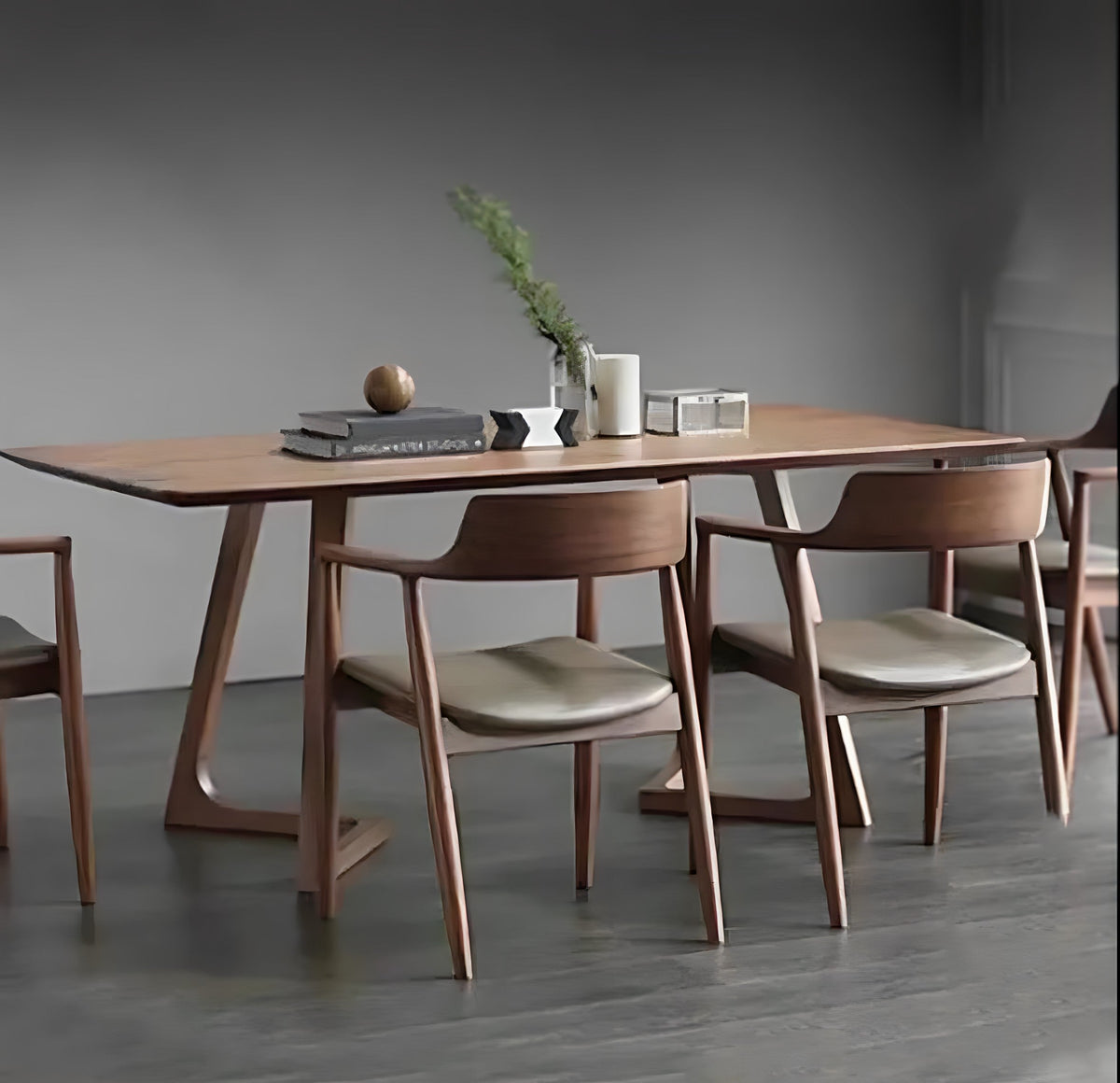
Wooden and oak tables pair well with both matching wood chairs and contrasting upholstered chairs, depending on whether you want a cohesive or layered look. A popular approach is to keep the chair legs in a matching wood tone while varying the seat material for texture.
Dining Chairs for Modern Dining Tables
Modern tables, especially those with glass or matte finishes, tend to suit slim-framed chairs in neutral or bold accent colours. Metal-legged chairs are also a common pairing, echoing the clean lines often found in modern table bases.
Dining Chairs for Black Dining Tables
Black tables work beautifully with light-coloured or neutral chairs, creating contrast, or with black chairs for a bold, unified look. Adding one or two chairs in a contrasting colour can also help break up an otherwise monochrome scheme.
Dining Chairs for White Dining Tables
White tables are naturally versatile and pair well with almost any chair colour, from soft pastels to deep, saturated tones. This makes them a particularly forgiving choice if you like to update your chairs' colour scheme every few years.
Mixing and Matching Dining Chairs
Learn how to combine different colours, materials and styles while keeping your dining room visually balanced. A popular approach is to keep chair shapes consistent while varying colour, or vice versa this keeps the mismatch intentional rather than accidental. Another simple trick is to introduce two statement chairs at either end of the table while keeping the remaining chairs uniform.
Dining Chairs for Different Types of UK Homes
Dining Chairs for Small Dining Rooms
In smaller rooms, lightweight chairs that can be tucked fully under the table help the space feel less cluttered. Chairs with slimmer legs also tend to make a small room feel more open, since they take up less visual weight than heavier, boxier designs.
Dining Chairs for Open-Plan Kitchens and Dining Areas
Open-plan spaces benefit from chairs that visually connect the kitchen and dining zones, often through shared colours or materials. If your kitchen has warm wood cabinetry, for example, echoing that tone in your chair legs can help the whole space feel cohesive.
Dining Chairs for Family Dining Rooms
Family dining rooms tend to benefit most from durable, easy-clean materials that can handle daily wear and the occasional spill. Rounded chair edges are also worth considering in households with young children, both for comfort and safety.
Dining Chairs for Modern UK Interiors
For contemporary UK homes, simple silhouettes, natural tones and mixed materials such as wood legs with fabric seats remain a consistently popular combination. This pairing tends to feel neither too formal nor too casual, which is part of why it works in such a wide range of homes.
You can browse the full range of options, including modern and contemporary dining chairs, directly online to compare styles side by side before making a final decision.
Budget Guide: How Much Should You Spend on Dining Chairs
Dining chair prices vary enormously depending on material, brand and construction quality, and it helps to have a rough sense of what you're paying for before you start comparing options.
- Entry-level chairs – Often made with simpler frames and lighter fabrics or faux leather, these are a sensible choice for first homes, rentals, or households on a tighter budget.
- Mid-range chairs – Typically feature sturdier frames, higher-quality fabric or leather, and more refined detailing, offering a good balance between price and longevity.
- Premium chairs – Usually built with solid hardwood frames, high-grade upholstery and reinforced joints, designed to last well beyond a decade of regular use.
It's worth remembering that dining chairs generally see more daily wear than almost any other piece of furniture in the home, aside from perhaps a sofa. Spending a little more on frame quality even if you save elsewhere on fabric often pays off in the long run, since a wobbly frame is far harder to fix than a worn seat cover.
Is It Worth Buying Cheap Dining Chairs?
Budget dining chairs can absolutely be the right choice, particularly for temporary living situations, guest rooms, or households replacing chairs frequently due to changing tastes. The key is checking frame stability and weight capacity rather than judging purely on appearance, since a chair that looks identical to a pricier option can still differ significantly in how it's built underneath.
Dining Chair Trends in UK Homes
Interior trends shift gradually, but a few patterns have remained consistently popular across UK dining rooms in recent years.
- Curved silhouettes – Softer, rounded chair backs continue to grow in popularity, offering a gentler contrast to sharp-edged modern tables.
- Boucle and textured fabrics – Tactile fabrics add warmth and visual interest without relying on bold colour alone.
- Warm wood tones – Oak and other natural wood finishes have made a strong comeback after years of darker, cooler palettes dominating dining spaces.
- Mixed dining sets – Rather than uniform sets, more households are combining two chair styles at the same table for a more personal, curated look.
- Earthy and muted colour palettes – Sage greens, terracottas and warm neutrals are increasingly popular alternatives to stark black, white or grey.
Trends are a useful starting point for inspiration, but the most important consideration remains how well a chair suits your specific table, room and daily routine. A chair that photographs beautifully but doesn't fit your lifestyle will rarely feel like a good long-term investment.
Styling Your Dining Table With Chairs
Once you've chosen your chairs, a few small styling decisions can make a noticeable difference to how the whole room comes together.
Layering textures. Pairing a wooden table with fabric or velvet chairs creates a natural contrast that feels layered rather than flat. Similarly, a glass or metal table often benefits from softer, upholstered seating to balance out its harder edges.
Considering chair backs. Taller chair backs tend to make a dining set feel more formal, while lower-backed chairs create a more relaxed, casual atmosphere. If your dining area opens onto a living space, lower-backed chairs can also help maintain sightlines across the room.
Adding contrast at the ends. For rectangular tables, positioning two carver or accent chairs at either end is a simple way to add subtle visual interest without a full mismatched set.
Keeping proportions in mind. Oversized chairs can overwhelm a small table, while undersized chairs can look lost around a large one. As a general guide, chair width should feel proportionate to roughly one-sixth to one-eighth of the table's total length, depending on how many seats you need.
Where to Place Dining Chairs for Best Flow
Room layout matters just as much as chair choice when it comes to everyday comfort. A few practical guidelines can help avoid a cramped or awkward dining space.
- Leave at least 90cm behind each chair so people can walk past while others are seated.
- Allow around 45–50cm of table edge per guest to avoid elbows bumping during meals.
- Position the table away from direct walking paths where possible, particularly in open-plan homes with heavy foot traffic.
- Consider door swing and window seats when placing chairs near walls, so opening doors or windows doesn't interfere with seating.
Taking the time to plan layout alongside chair selection often makes the difference between a dining room that looks good and one that actually functions well for everyday family life.
Dining Chair Buying Checklist
Before making a final decision, it can help to run through a short checklist to make sure nothing important has been overlooked.
| Checklist Item | Why It Matters |
|---|---|
| Table height and clearance measured | Ensures chairs tuck in and sit comfortably at the table |
| Seat width and depth checked | Confirms comfortable fit for the people using the chairs |
| Material suited to household needs | Matches durability and cleaning needs to daily use |
| Room clearance measured | Allows chairs to be pulled out and walked around safely |
| Style checked against existing furniture | Keeps the room feeling cohesive rather than mismatched |
| Number of chairs matches seating needs | Avoids buying too few or unnecessarily many chairs |
Working through each of these points before purchasing can save a lot of frustration later, particularly with chairs that are otherwise difficult or costly to return once assembled.
Sustainable and Eco-Friendly Dining Chairs
More UK households are factoring sustainability into furniture decisions, and dining chairs are no exception. A few things worth considering if this matters to you:
- Solid wood construction – Chairs built from solid wood, particularly sustainably sourced oak, tend to last significantly longer than composite or particleboard alternatives, reducing the need for frequent replacement.
- Natural materials – Rattan, cotton and linen upholstery are generally more biodegradable than fully synthetic materials, though they may require slightly more careful maintenance.
- Repairable design – Chairs with removable seat covers or replaceable cushions allow you to refresh the look of a chair without replacing the entire piece, extending its usable life considerably.
- Buying to last – In many cases, the most sustainable choice is simply buying fewer, better-made chairs rather than replacing budget pieces every few years.
None of this means budget or synthetic materials are the wrong choice — for many households, practicality and cost will reasonably take priority. But for anyone weighing up options, longevity and repairability are useful factors to consider alongside price and style.
Dining Chairs for Special Occasions and Extra Guests
Even households with a standard 4 or 6 seater table often need extra seating occasionally for birthdays, holidays or larger family gatherings. A few practical approaches work well here:
Folding dining chairs. Lightweight folding chairs can be stored in a cupboard or utility room and brought out only when needed, without taking up permanent space.
Stackable chairs. Similar in concept to folding chairs, stackable designs allow you to keep a couple of spares tucked away in a corner or hallway without them looking out of place day-to-day.
Borrowing from another room. A pair of accent chairs from a living room or bedroom can often be brought to the table for occasional extra seating, particularly if their height and style loosely complement the existing dining set.
Benches. A bench along one side of the table is a flexible way to seat an extra guest or two without needing an exact chair count, and works particularly well for informal family gatherings.
Planning for occasional extra seating in advance, rather than scrambling for mismatched chairs at the last minute, tends to make hosting feel far less stressful.
Frequently Asked Questions About Dining Chairs
What are the most comfortable dining chairs?
Upholstered dining chairs with a supportive backrest and padded seat are generally considered the most comfortable for everyday use.
How many chairs fit around an 8 seater dining table?
An 8 seater dining table typically fits eight chairs comfortably, assuming a table length of around 2.4 metres.
What type of dining chair is easiest to clean?
Leather and faux leather dining chairs are the easiest to clean, as spills can simply be wiped away.
Are upholstered dining chairs comfortable for everyday use?
Yes, upholstered dining chairs are well suited to everyday use thanks to their extra padding and back support.
Are velvet dining chairs suitable for dining rooms?
Yes, velvet dining chairs are suitable for dining rooms and add a soft, luxurious feel, though they may need more frequent cleaning.
What is the best material for dining chairs?
There isn't a single best material — it depends on your priorities, whether that's comfort, durability, style, or easy maintenance.
How do I choose dining chairs for a 6 seater table?
For a 6 seater table, choose proportional chairs that leave enough space between each seat, typically around 60cm per person.
Find Your Perfect Dining Chairs at PN Home
Explore the PN Home collection of dining chairs, including modern, contemporary and comfortable designs across upholstered, velvet, fabric, leather, faux leather, wooden, oak and rattan styles. With a wide range of colours and finishes available, you can browse dining chairs online to find pieces that suit your table, your space and your everyday routine.
Choosing the right dining chairs doesn't have to be complicated once you know what to look for. Start with your table size and household needs, then narrow down by material, colour and style until you find chairs that feel right for your home.
At the end of the day, the best dining chairs are the ones your family and guests actually want to sit in comfortable enough for a quick breakfast, and stylish enough for a proper dinner party. Take your time, measure carefully, and choose pieces that will genuinely fit into daily life, not just look good in a single photo.
There's no need to get every detail perfect on the first try. Furniture choices can evolve as your home and household change, and a well-chosen set of dining chairs will comfortably see you through years of everyday meals, celebrations and quiet weeknight dinners alike.

Leave a comment
This site is protected by hCaptcha and the hCaptcha Privacy Policy and Terms of Service apply.